
Total Hip Arthroplasty
(Hip Replacement Surgery)
Hip, Knee & Trauma · Johannesburg, South Africa
A painful hip controls your life. Hip replacement surgery helps over a million people worldwide reclaim their freedom from pain.
Restore Your Mobility. Eliminate Your Hip Pain
A painful hip controls your life. Walking becomes difficult. Sleeping is uncomfortable. Even simple activities cause frustration. Hip replacement surgery (total hip arthroplasty or THA) helps over a million people worldwide reclaim their freedom from pain.
20+ Years of surgical experience
Patient satisfaction rate
95%
Years of implant lifespan
15 to 20+
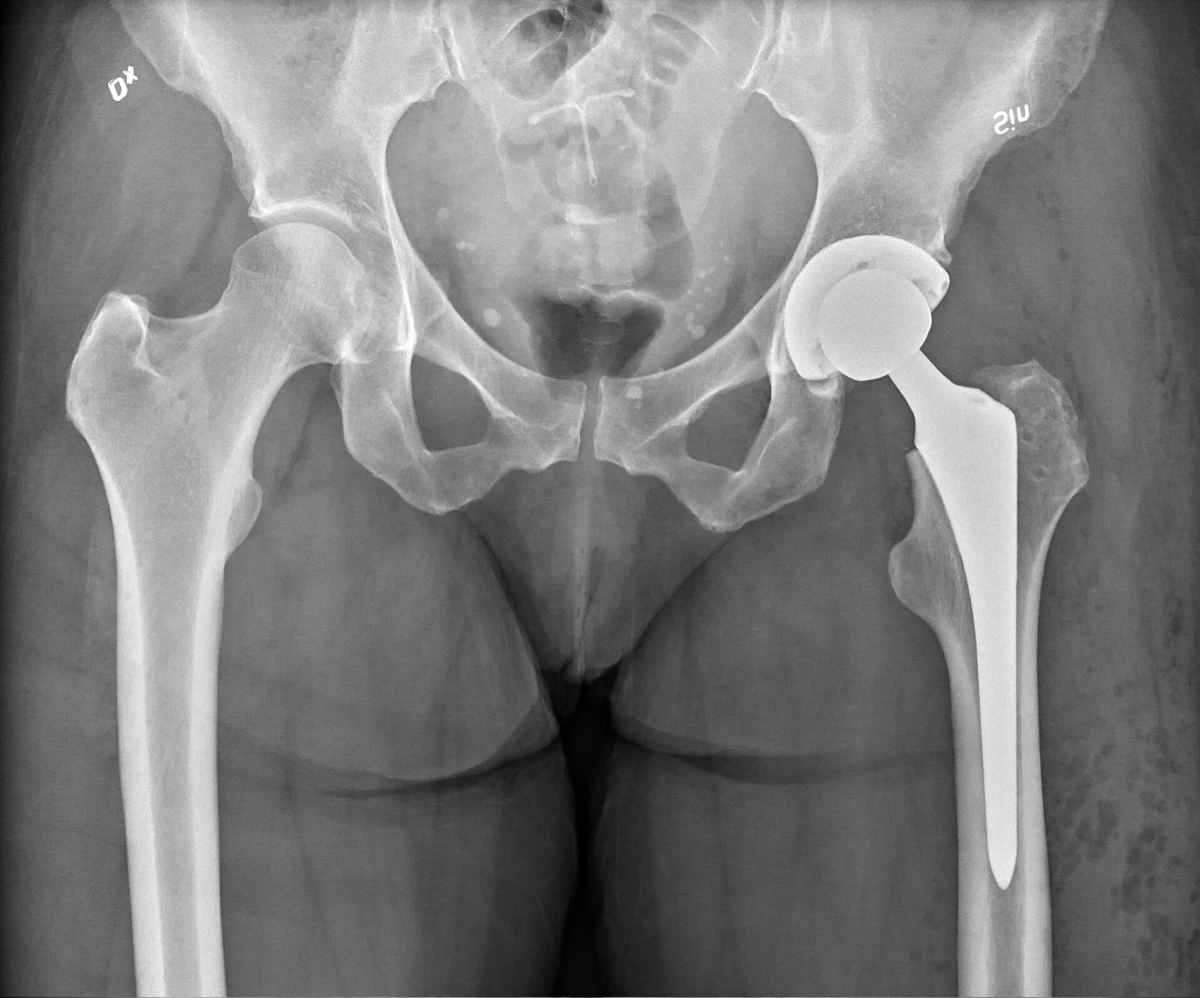
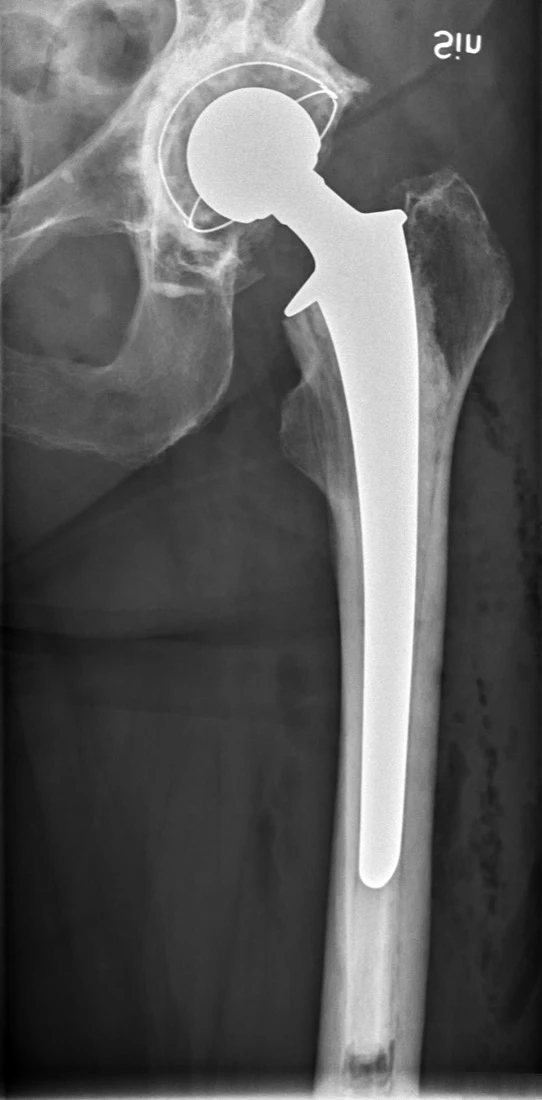
What Is Hip Replacement Surgery?
Hip replacement surgery removes a damaged or arthritic hip joint. We replace it with an artificial joint called a prosthesis. The prosthesis has a ball that replaces the top of your thighbone and a socket that replaces your natural hip socket.
Modern hip replacements last 15 to 20+ years. Many patients never need revision surgery. The surgery is one of the most successful orthopaedic procedures performed today, with success rates consistently above 95 percent.
Why Hip Replacement Works
- Eliminates or dramatically reduces pain
- Restores normal hip range of motion
- Allows return to desired activities
- Improves sleep and quality of life
- Provides long-lasting results
Conditions Hip Replacement Treats
Osteoarthritis of the Hip
Osteoarthritis is the most common reason for hip replacement. The protective cartilage that covers the bones in your hip gradually wears away. As cartilage deteriorates, bone rubs against bone. This causes pain, stiffness, and inflammation.
- Pain in the hip, groin, or buttock (worse with activity)
- Stiffness, especially in the morning
- Difficulty walking or climbing stairs
- Reduced range of motion
- Clicking or grinding in the hip
Hip osteoarthritis develops over years. When conservative treatments no longer provide relief, hip replacement becomes the best treatment option.
Rheumatoid Arthritis
Rheumatoid arthritis is an autoimmune disease. It causes inflammation of the joint lining, leading to pain, swelling, and eventually bone and cartilage damage. The hip is frequently affected. Hip replacement may become necessary for patients with advanced RA who do not respond adequately to medications.
Hip Dysplasia
Some people are born with an abnormally shaped hip socket that does not provide adequate coverage for the femoral head. It can lead to early-onset arthritis, instability, or labral injuries. In some cases, correction during adulthood requires hip replacement.
Other Hip Conditions
- Osteoporosis-related fractures that heal poorly
- Previous hip fracture complications causing long-term problems
- Post-traumatic arthritis from previous injury
When Is Hip Replacement Recommended?
Hip replacement is typically recommended when:
Conservative treatments have failed
You have tried physical therapy, medications, weight management, activity modification, and possibly injections. Pain persists and interferes with daily life.
Imaging confirms significant damage
X-rays show substantial cartilage loss and bone changes consistent with advanced osteoarthritis or other serious hip conditions.
Pain significantly impacts quality of life
You have difficulty walking, sleeping, working, or enjoying activities that are important to you.
You are healthy enough for surgery
You have no serious medical conditions that would make surgery too risky.
Important note
Age alone is not a barrier to hip replacement. Patients in their 60s, 70s, 80s, and beyond can have successful hip replacements. The key factors are your overall health and your motivation to participate in rehabilitation.
Ready to Reclaim Your Mobility?
Hip replacement surgery changes lives for most patients. If you are tired of hip pain limiting your activities, explore your options with Dr Nabeel Moosa. He will thoroughly evaluate your hip, discuss all your options, and help you determine if hip replacement is right for you.
The Evaluation Process
These tests ensure you are optimised for surgery and help identify any conditions that need attention before your operation.
Initial Consultation with Dr Moosa
Your first visit is comprehensive. Dr Moosa will take time to understand your situation.
Medical history
When did your hip pain start? What makes it better or worse? What medical conditions do you have? What medications do you take? What are your goals for surgery?
Physical examination
Tests your hip range of motion, assesses pain with different movements, evaluates your overall mobility and gait, and checks for other joint problems.
Pre-Surgical Testing
Before surgery, you undergo:
Blood tests
Complete blood count, chemistry panel, clotting studies.
EKG and chest X-ray
Heart tracing, plus chest X-ray if needed based on age or medical history.
Anaesthesia consultation
Includes testing for infection if you have risk factors.
Pre-Operative Preparation
Weeks Before Surgery
Improve your physical condition
Exercise and walking strengthen your body. Surgery is less risky and recovery is faster if you are in better shape.
Manage your weight
If you are overweight, losing even a few kilograms reduces stress on your healing hip.
Review your medications
Dr Moosa will advise which medications to continue or adjust.
Stop smoking
Stopping before surgery dramatically improves healing. This is critical for your recovery.
Days Before Surgery
Stop eating and drinking
You will receive specific instructions (typically nothing after midnight).
Arrange transport
You cannot drive yourself home after anaesthesia.
Prepare your home for recovery
Place frequently used items at waist height to avoid bending after surgery.
Pack items for the hospital
Phone, medical aid card, list of medications, comfortable clothes.
Day of Surgery
- Arrive early (typically 2 to 3 hours before scheduled surgery time)
- Complete final paperwork and sign consent forms
- Change into hospital gown
- Have an IV placed
- Meet with your anaesthetist
- Say goodbye to your support person and head to surgery
What to Expect Long-Term
Pain relief
Complete or near-complete pain relief within 3 to 6 months. Walk without pain, sleep normally, and pursue activities arthritis took away.
Functional improvement
Improved walking distance and speed. Easier stair climbing, getting in and out of chairs, cars and beds and the ability to play with grandchildren and travel.
Longevity and revision surgery
Most hip replacements last 15 to 20+ years or longer. At 10 years, approximately 90 to 95 percent are still functioning well. Lifespan depends on your age and activity level, body weight, bone quality, the implant chosen, and proper rehabilitation. If revision becomes necessary, modern techniques allow for successful revision surgery.


Recommended activities
- Walking
- Swimming and water aerobics
- Cycling
- Golf
- Gardening
- Low-impact fitness classes
- Travel
Activities to avoid or modify
- Jogging and running
- Jump and contact sports
- Repetitive heavy labour
- Extreme high-impact activities
Ready to Reclaim Your Mobility?
Hip replacement surgery changes lives for most patients. If you are tired of hip pain limiting your activities, explore your options with Dr Nabeel Moosa. He will thoroughly evaluate your hip, discuss all your options, and help you determine if hip replacement is right for you.